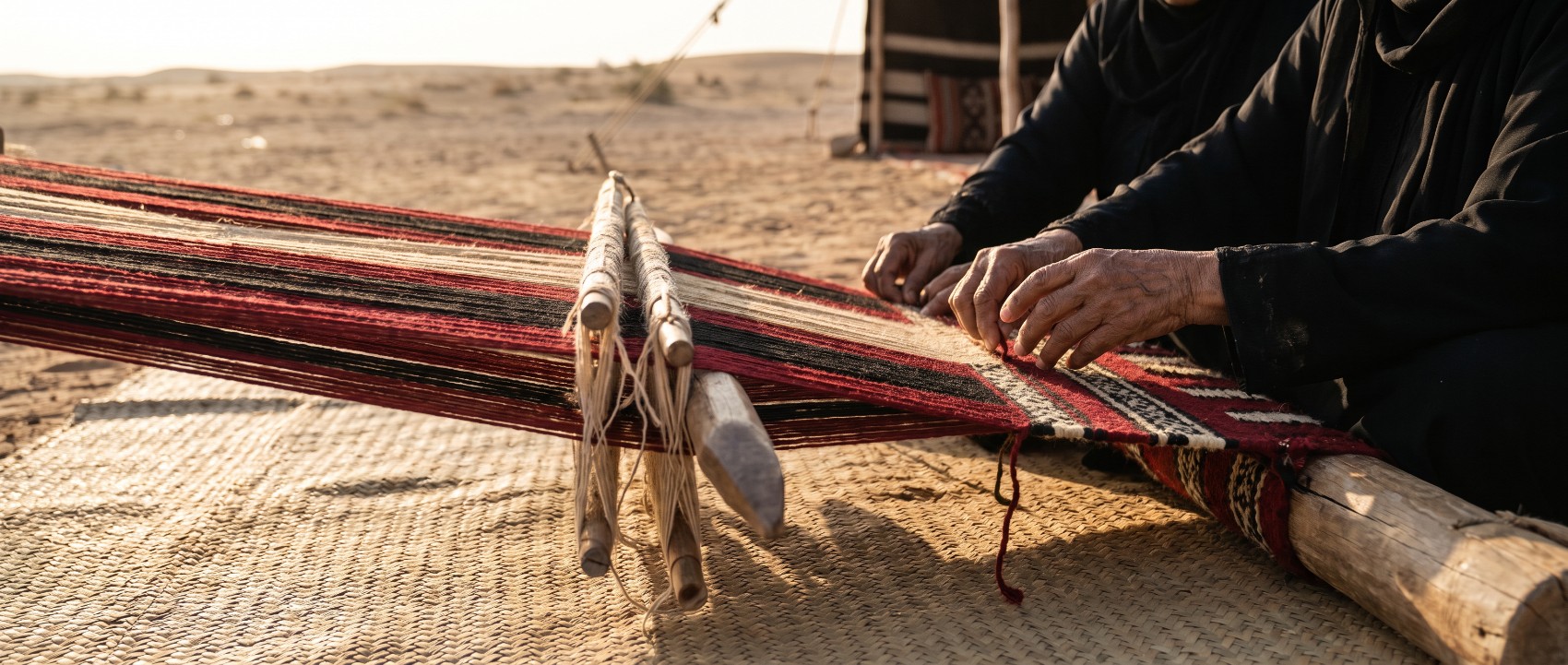
Al Sadu weaving — one of the inscribed elementsich.ae
Client
Department of Culture and Tourism — Abu Dhabi
Our role
Development, technical consultancy and ongoing support
Design lead
ATÖLYE, with the wider project team
Launched
2023–2024 — live and maintained
6,000+
Active users within six months of launch
26,000
Reach across nine countries
750+
Teacher profiles created on the platform
01 — The brief
Heritage that lives in people, not in files
Intangible heritage is knowledge held by practitioners — weavers, falconers, boatbuilders, poets. It leaves no building behind. The Department needed a public record that a school could teach from, a researcher could cite, and a practitioner could recognise as accurate.
01One record per element, structured well enough to teach from
02Arabic and English as equals — not a translation layer
03Separate routes for learners, educators and researchers
04Editable by a cultural team, not by developers
02 — The archive
Every element, photographed and catalogued to the same standard
Photography, field notes and oral testimony were captured to one specification so records stay comparable as the archive grows.
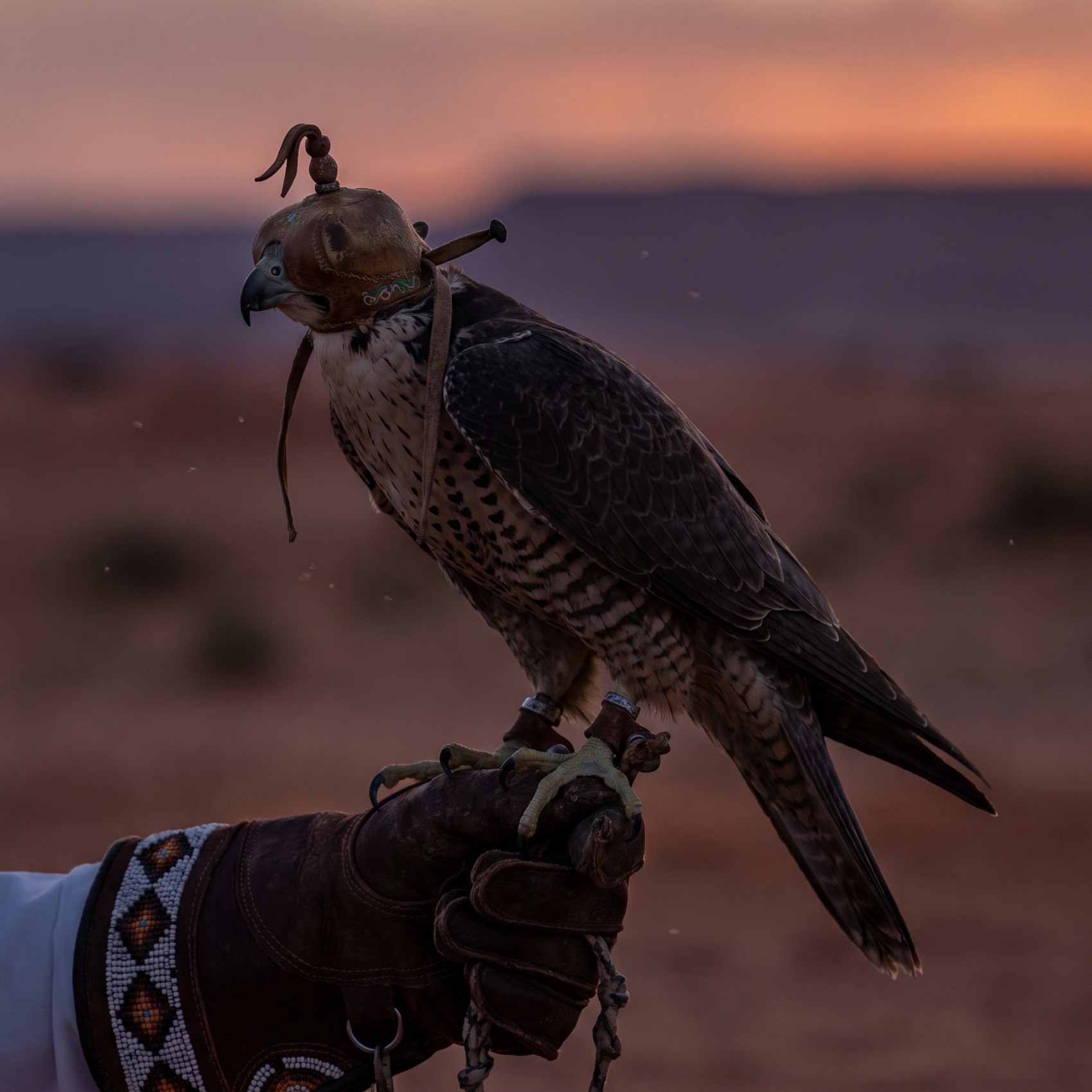
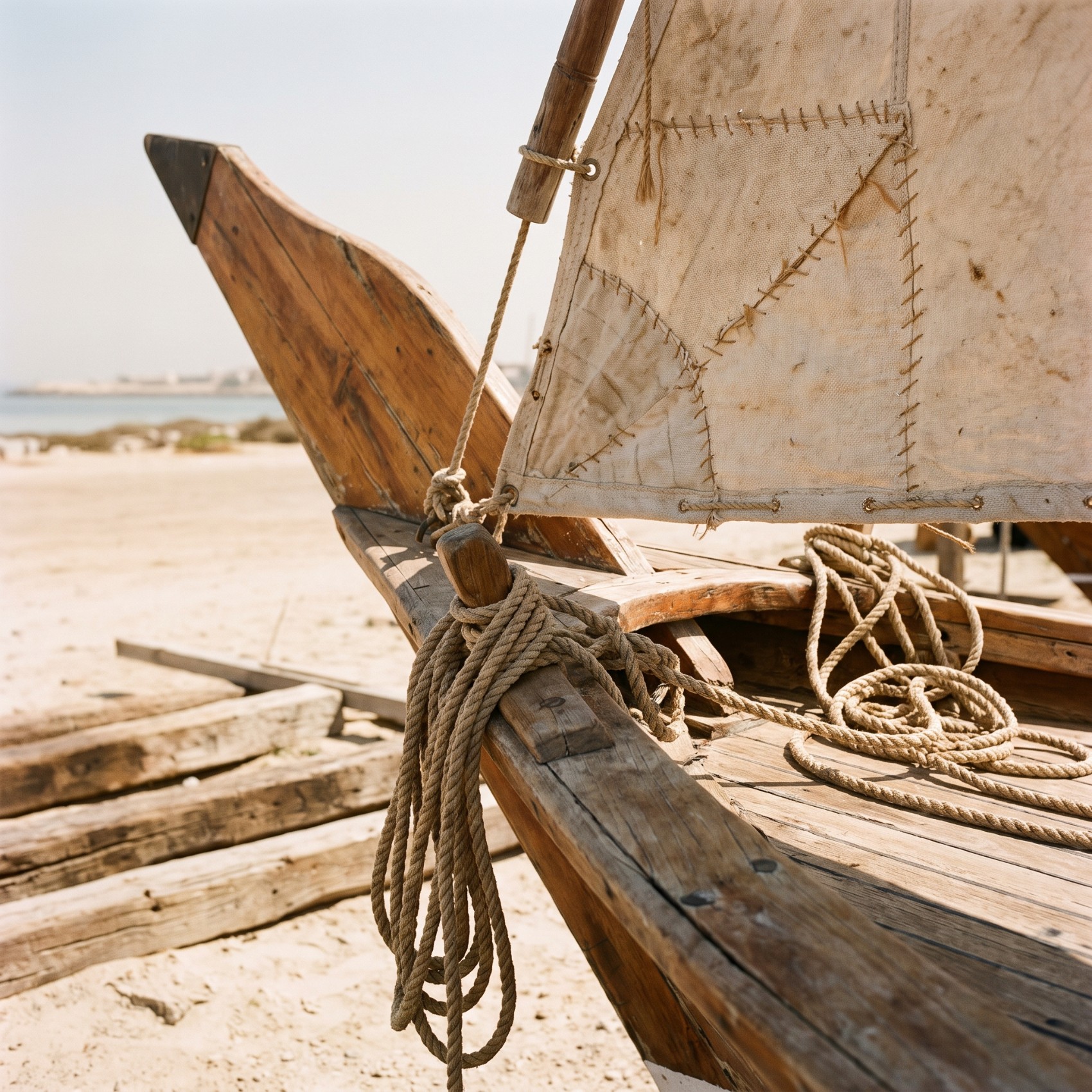
Al Sadu weaving✳Falconry✳Arabic coffee✳Dhow building✳Al Ayyala✳Date palm cultivation✳Nabati poetry✳Pearl diving✳Al Sadu weaving✳Falconry✳Arabic coffee✳Dhow building✳Al Ayyala✳Date palm cultivation✳Nabati poetry✳Pearl diving✳
03 — Bilingual by construction
Two languages, one editorial system
Arabic is authored first for most records. Every template mirrors cleanly to RTL, typography is tuned per script rather than scaled, and the editorial team publishes both versions from one record — no parallel site to keep in sync.
Next.jsUmbracoAzure
EN · LTR
The knowledge of the weaver, kept in her own words.
AR · RTL
معرفة الحائكة، محفوظة بكلماتها.
04 — In use
A platform for learners, educators, and all who are curious to discover the elements that make the UAE unique.
Platform positioning · ich.ae
05 — Built for educators
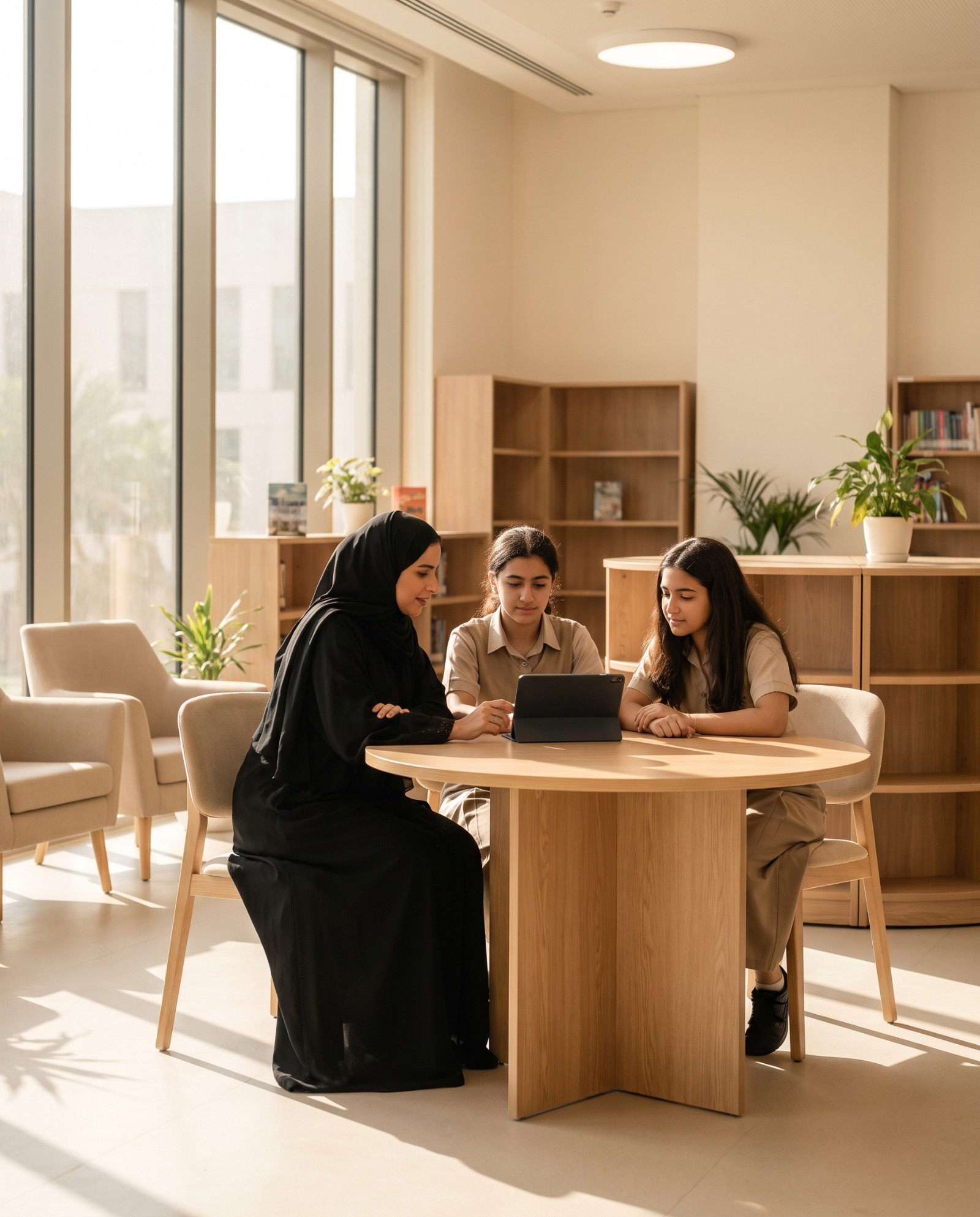
A teacher shouldn't have to translate a research archive
Educator profiles
750+ teachers registered, saving elements into their own collections.
Classroom material
Each element carries a version written for teaching, not citation.
Search that answers
Filter by element, region, practice and inscription status.
06 — How it ran
Define to Operate, with the same team throughout
01DefineContent model workshops with the cultural team; the element record designed before any interface.
02DesignLed by ATÖLYE with the wider project team; every template reviewed in both scripts.
03BuildNext.js front end on Umbraco, hosted on Azure; milestone reviews with the client throughout.
04LaunchLive September 2024, with editorial training and handover documentation.
05OperateStill ours: hosting, monitoring, maintenance and continued development.